“When I first met him I was 210 pounds, in constant pain and walking on a cane. I have multiple disabilities but he was patient to learn about each disease and to treat me based only on my individual needs, not some cookie cutter massage that only relaxes and doesn't work towards healing. I am now 65 pounds lighter, in less pain, walking without a cane and even doing swim aerobics three times a week. He knows the anatomy and what tendon, insertion point or muscle is acting up.”
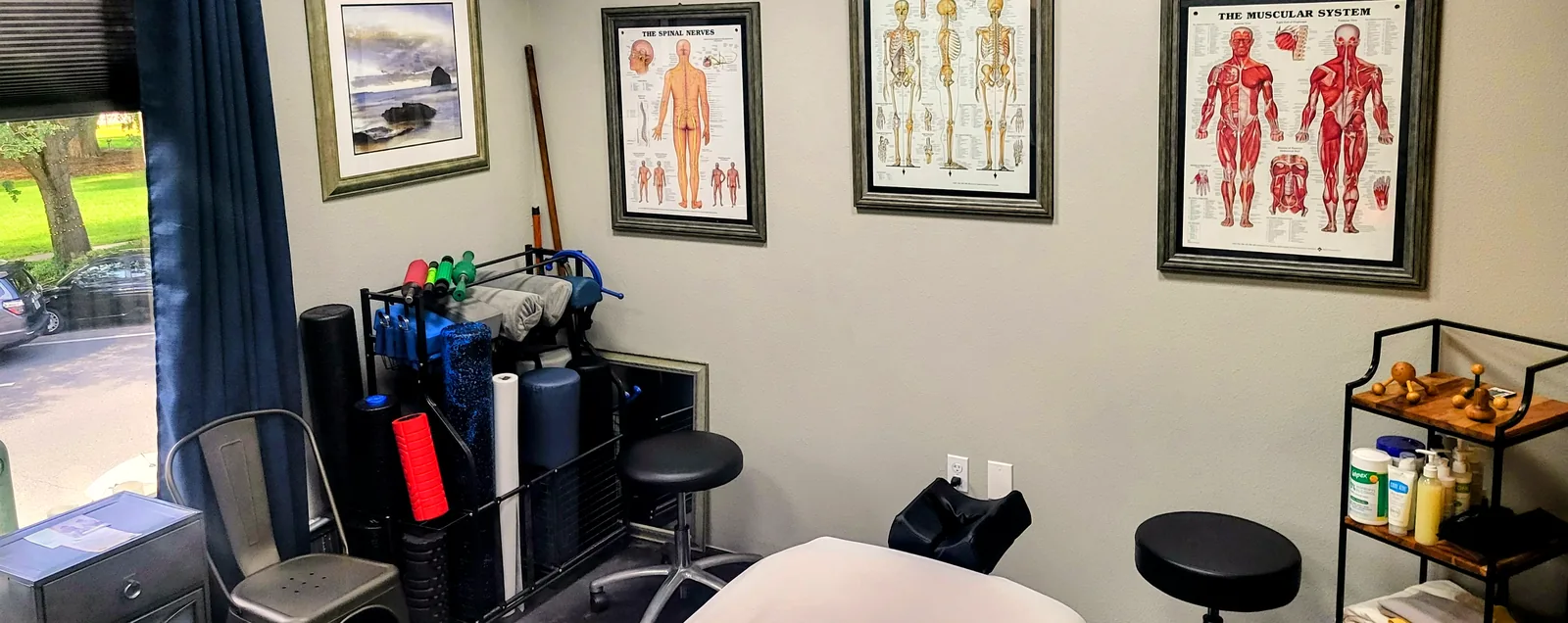
Rehabilitation · $100
PNF — stretching that works with the nervous system
“You will leave saying WOW.”
Stretching that works with the nervous system rather than against it — you contract against resistance, then the muscle lets go further than it would on its own.
Licensed massage therapist practicing since 2003
Board certified: sports massage and neuromuscular therapy
4.9 from 30 Google reviews
$100 a session · 90 Day Package 5 for $450
Rehabilitation · $100
What it is
Proprioceptive Neuromuscular Facilitation works on the reflexes that govern how much length a muscle will allow. Rather than pulling a tight muscle and waiting for it to give, you contract it against resistance for a few seconds and then relax. The nervous system briefly lowers its guard, and the muscle moves into range it would not have accepted a moment earlier.
It is the technique to reach for when the limitation is neurological rather than structural — a hamstring that stops short every time, a shoulder that will not finish the movement, a joint that guards after an injury has otherwise healed. Whether it is used in your session is decided by the postural analysis, not by the name on the booking.
What it helps
- Range of motion that stops at the same point every time
- Muscle guarding that outlasts the injury that caused it
- Hamstring, hip flexor and calf restriction in runners and lifters
- Shoulder movement after a frozen or stiff period
- Rehabilitation where stretching alone has stopped making progress
What is included
- Postural analysis and consultation on a first visit
- Measurement of the restricted range before anything is treated
- Contract-relax and hold-relax work through the limited range
- Re-testing the same movement so the change is measurable
- Two or three things to do at home to hold the range you gained
The session
How a proprioceptive neuromuscular facilitation (pnf) appointment runs
1
Find the end range
The restricted movement is taken to the point where it stops and that point is noted, so there is something to compare against.
2
Contract against resistance
You push against a held hand for a few seconds. The effort is yours; the resistance is matched to it.
3
Relax and move further
On the release the muscle accepts more length. The new range is taken up gently, never forced.
4
Repeat, then retest
A few cycles, then the original movement is tested again so you feel the difference before you leave.
4.9
from 30 Google reviews
“Shawn is an absolute healer! I have lived with chronic pain for many years and the work he is doing is life-changing! Not only does Shawn help relieve pain and stress, but he educates you and advises on simple lifestyle changes to improve your overall health.”
Questions
Proprioceptive Neuromuscular Facilitation (PNF): the questions people ask
What does PNF stand for?
Proprioceptive Neuromuscular Facilitation. Proprioceptors are the sensors in muscle and tendon that report length and tension to the nervous system — PNF works through those rather than around them.
How is it different from ordinary stretching?
Ordinary stretching holds a position and waits. PNF asks you to contract the muscle against resistance first, which briefly reduces the reflex that limits the stretch. The range gained in a session is usually larger as a result.
Does it hurt?
It should not. There is effort during the contraction and a strong stretching sensation after it, but sharp pain means the range has been pushed too far. Say so and it is adjusted.
Do I have to do anything?
Yes — this one is active. You contract when asked and relax when asked. That participation is the technique; it does not work if you stay passive.
How long is the session?
Sixty minutes. Your first session also includes a postural analysis and consultation.
Can it be combined with other modalities?
Yes. Any number of the bodywork modalities practiced can be used in a single session, and PNF is often used after soft tissue work has released the area.
Related
Often booked alongside this
Rehabilitation$100
Muscle Energy Technique
A direct, noninvasive manual therapy using your own gentle contractions to normalize joint dysfunction and restore range.
Muscle Energy Technique detailsSports Therapy$100
Sports Therapy
Built around training, not around the spa. Prevents injury, keeps the body flexible and gets you back to performing pain free.
Sports Therapy detailsRehabilitation$100
Active Release Technique (ART)
A soft tissue movement system designed to treat problems with muscles, tendons, ligaments, fascia and nerves.
Active Release Technique (ART) detailsproprioceptive neuromuscular facilitation (pnf) in Lake Mary, FL
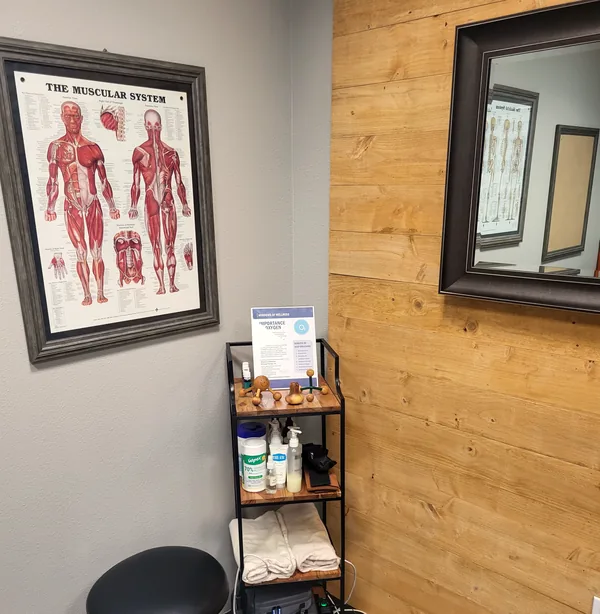
How to make an appointment
Book a 60-minute session
Text (407) 415-5429 and describe what is going on. Any number of the modalities practiced can be used in a single session.
142 W. Lakeview Avenue, Suite 2080, Lake Mary, FL 32746 · Cash, check, credit cards, Windows of Wellness gift cards, and HSA/FSA cards.
How to book a session
Text is the primary means of contact.
Text your name and what is going on.
Or call and leave a messageTell us your inquiry and the nature of your condition.
Or emailscheduling@windows-wellness.com
Sessions are 60 minutes, $100 for any of the modalities practiced. The initial session includes a postural analysis and consultation. 90 Day Package: 5 massages, $450, a savings of $50. No online booking.